IoT device PCB assembly in China: what to plan for
Key considerations for IoT PCBA — wireless modules, antennas, power, testing, and a path from small batch to volume production.
Engineering review by Huitai Engineering Team
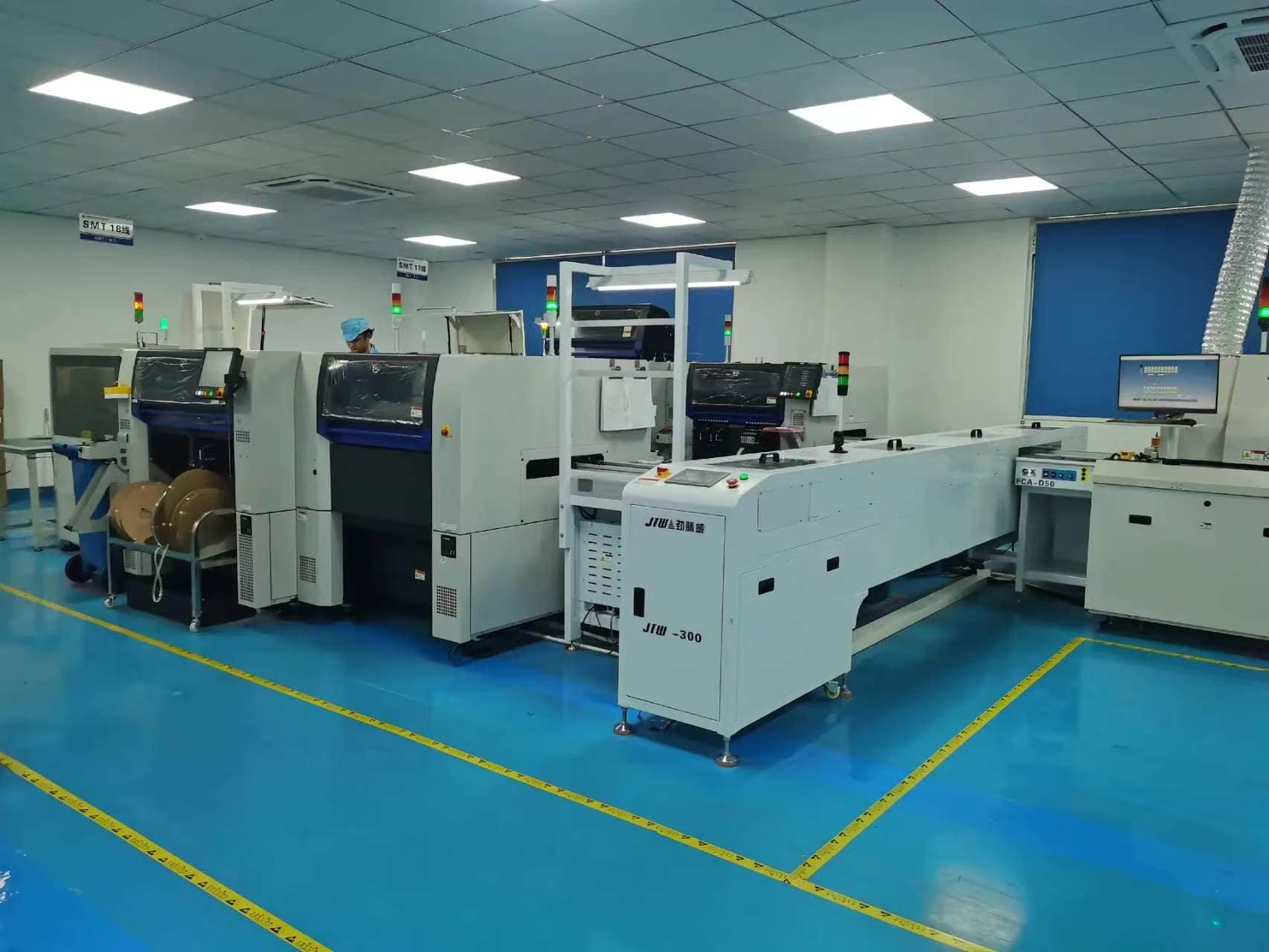
What makes IoT PCBA different
IoT product boards add a few constraints over a basic PCBA: a wireless module or RF section, an antenna, power management for battery or always-on operation, and connectors or sensors. These choices affect layout, sourcing, and testing, so they are worth reviewing before the board goes to assembly.
For turnkey IoT PCBA, the goal is to coordinate fabrication, component sourcing, assembly, and testing while keeping these wireless and power details in view.
If the design adds local AI processing, external memory, cameras, or higher dynamic power, continue with the edge AI PCB assembly manufacturing checklist.
Sourcing the wireless and power parts early
Wireless modules (Wi-Fi, BLE, LoRa, cellular) and certain power or sensor ICs can have longer lead times or availability swings. Identifying these early — and pre-approving alternates — protects your schedule.
See BOM sourcing and PCB assembly for how MPN checks and approved alternatives keep an IoT build on track.
Antenna and RF layout review
Antenna keep-out areas, module placement, and ground design influence wireless performance. An engineering review before assembly can flag obvious RF layout risks, missing footprints, or unclear orientation.
For a China PCBA build, send your Gerber, BOM, and any RF or mechanical notes so these details are confirmed up front.
Testing IoT boards
IoT boards usually need functional testing for power-up, connectivity, and basic I/O. Provide firmware, a test method, fixtures, or pass/fail criteria so the testing scope can be confirmed.
Note: regulatory certification such as FCC or CE is the product owner’s responsibility, but a clean, well-tested build makes later certification smoother.
From small batch to volume
A common path is to validate a small batch first, confirm the BOM and test plan, then scale to volume. The same file package and sourcing decisions carry forward.
Send your IoT project files for an engineering review and a quote — reply within 24h.