Low-Volume PCBA Assembly in China
For 5 to 1,000 pcs type PCBA projects, send Gerber, BOM, quantity, testing needs, and sourcing notes for engineering review before quotation. Huitai supports low-volume PCB assembly in China and prototype-to-small-batch PCBA with sourcing, assembly, testing support, packaging, and delivery.
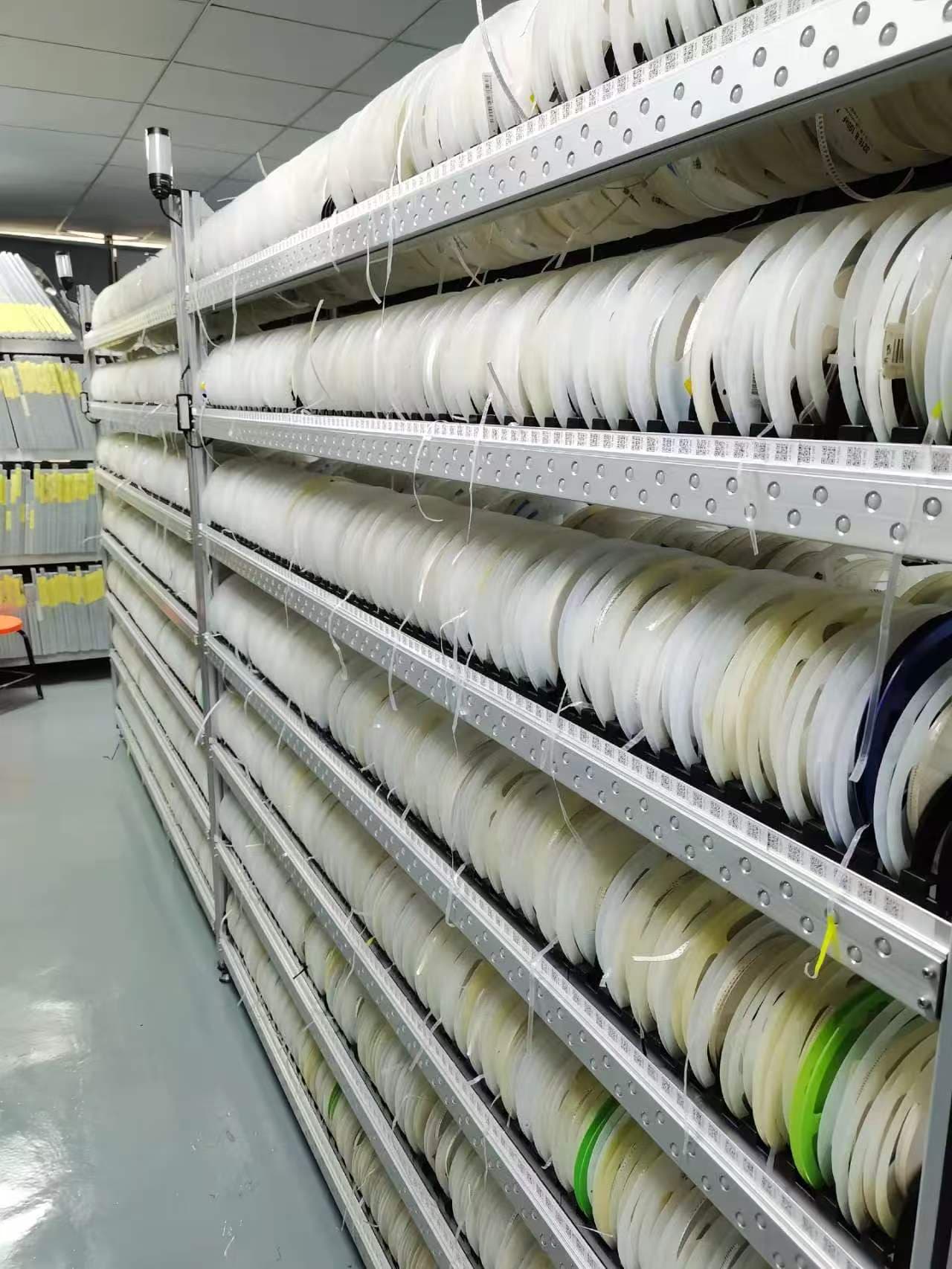
Low-volume PCBA assembly is used after prototype validation for small batch projects such as 50, 100, 500, or 1,000 pcs, while very small 5 pcs builds can also be reviewed when suitable. Huitai supports sourcing, SMT/DIP assembly, inspection, functional testing support, packaging, and delivery for industrial electronics, IoT, test equipment, and custom hardware.
Who this is for
What files we need
What we check before production
What Low-Volume PCBA Is Suitable For
Low-volume PCBA is useful for 5, 10, 50, 100, 500, or 1,000 pcs pilot runs, engineering validation, market testing, pre-production builds, and small industrial product batches where process control and sourcing clarity matter.
Common Cost Factors
Small-batch cost is affected by setup time, component availability, SMT programming, stencil requirements, testing scope, packaging, and whether alternatives need approval before purchasing.
Why Unit Price Is Higher at Low Volume
At low volume, the per-board price is usually higher because fixed setup costs are shared across fewer boards. SMT line setup and programming, stencil fabrication, first-article checks, and any test-fixture preparation cost roughly the same for 10 boards as for 1,000, so they weigh much more on each unit. Component minimum order quantities also matter: if a part is sold in reels of 5,000, a small run still pays toward that minimum. This is normal across the industry; a clear BOM, approved alternates, and a sensible test scope are the practical ways to keep low-volume cost reasonable.
What We Can Coordinate
Workflow
Review quantity and production purpose
Check BOM risks and alternative options
Coordinate assembly route and inspection plan
Confirm testing and delivery requirements
Related service paths
FAQ
What is considered low-volume PCBA assembly?
Low-volume PCBA usually refers to small production runs such as 50, 100, 500, or 1,000 pcs after prototype validation. Very small 5 or 10 pcs builds can also be reviewed when the project fits a turnkey PCBA workflow.
Is small batch PCB assembly in China supported?
Yes. Huitai can review small batch PCBA projects such as prototype follow-up builds, pilot runs, and low-volume production. The review depends on Gerber, BOM, pick-and-place data, assembly requirements, testing scope, and quantity.
When should a project move from prototype to low-volume production?
A project is usually ready to move when the prototype revision is stable, BOM choices are approved, assembly notes are clear, and the inspection or functional test method is defined for the small batch.
Can the same supplier handle prototype and low-volume production?
Yes. Keeping prototype and low-volume PCBA with the same turnkey supplier can preserve file history, BOM decisions, assembly notes, inspection points, and test scope across revisions.
How do you reduce risk before small batch production?
Risk is reduced by reviewing the latest Gerber and BOM, confirming approved alternatives, checking assembly notes, defining inspection and test scope, and clarifying packaging and delivery requirements before production.
What files should I prepare for a small-batch PCBA quote?
Please send Gerber files, BOM, quantity target, drawings, pick-and-place data if available, testing notes, and any no-substitute component requirements.
Can you help with component alternatives?
Yes. We can review sourcing options and discuss approved alternatives, but substitutions should be confirmed by the customer before purchasing.
Can low-volume builds include functional testing?
Yes, when testing instructions, firmware, fixtures, or acceptance criteria are provided and confirmed in the project scope.
Request a Low-Volume PCBA Review
Send Gerber, BOM, target quantity, testing notes, and any component concerns. We will review low-volume PCBA scope, BOM sourcing risk, alternative component needs, and assembly requirements before quotation.
Request a Low-Volume PCBA Review