Prototype PCB Assembly in China from 5 Boards
Use a prototype PCBA build for first hardware, bring-up, engineering validation and design verification. Huitai reviews the latest Gerber, BOM, CPL, revision information, assembly notes, firmware inputs and testing requirements before defining the first-build scope.
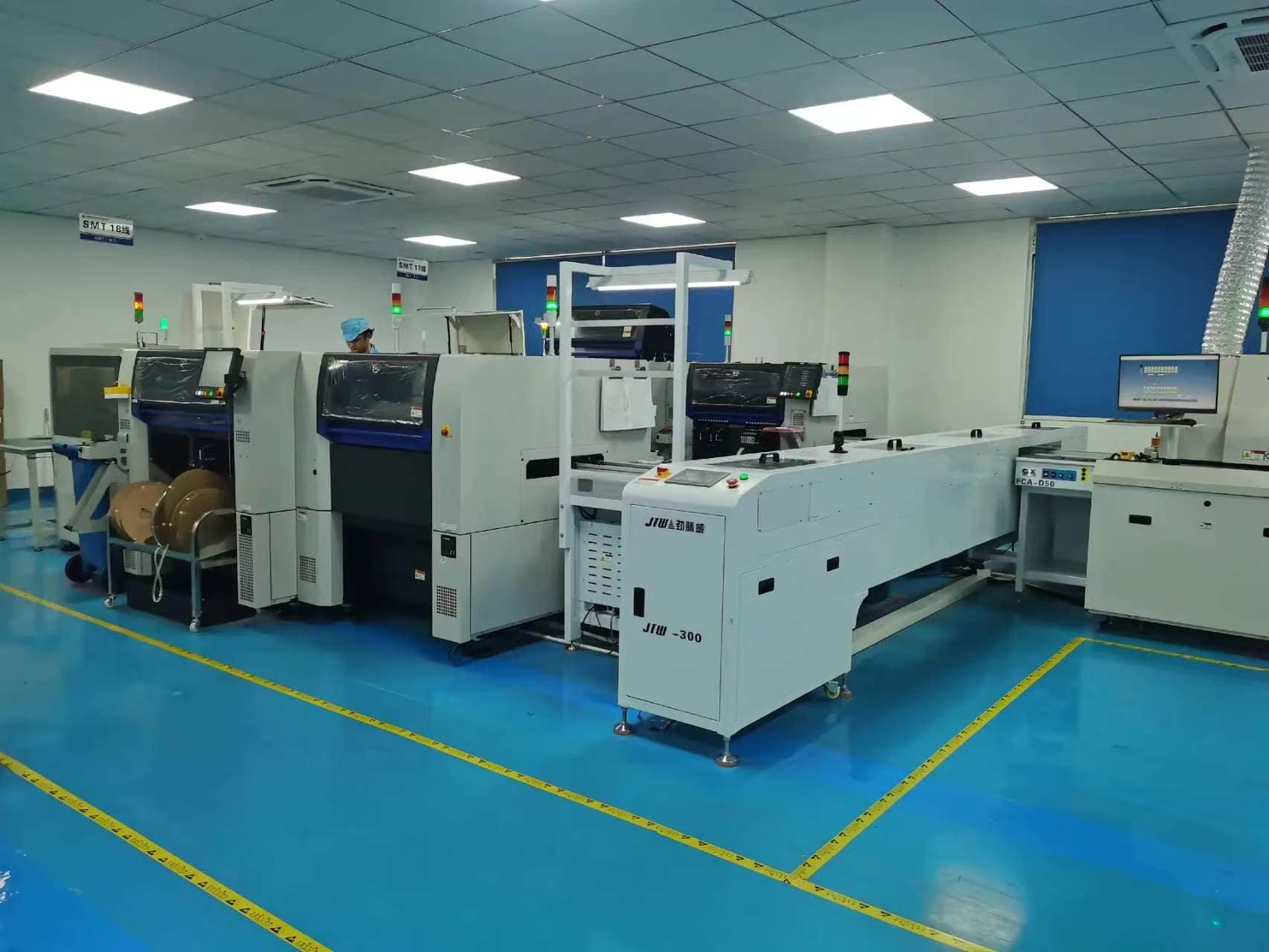
Prototype PCB assembly is used to validate a new or revised PCB design before larger production. Huitai supports prototype builds starting from 5 assembled boards and reviews Gerber files, BOM, CPL data, revision information, component risks, assembly details and available test instructions before quotation and production.
When Should You Use Prototype PCB Assembly?
Prototype PCB assembly is appropriate when a board is new, has changed revision, or still needs physical verification before a larger production decision. The assembled boards can support bring-up, mechanical fit checks, firmware work, design verification, component validation and testing feedback.
What We Review Before the First Build
The review establishes one controlled first-build package and identifies open risks before purchasing or assembly.
- Latest Gerber and drill data with the intended PCB revision.
- BOM with manufacturer part numbers, suffixes, quantities and designators.
- CPL or pick-and-place coordinates, rotations and reference designators.
- Assembly drawing, polarity details and special workmanship notes.
- Component availability, no-substitute lines and customer-approved alternatives.
- Firmware, test instructions, fixtures and available acceptance criteria.
Start with 5 Assembled Boards
Huitai can review prototype builds starting from 5 assembled boards. This gives engineering teams real hardware for bring-up, fit checks, firmware work and early test feedback without presenting the build as stable batch production. Feasibility and setup still depend on the design, BOM, assembly process and test scope.
Gerber, BOM, CPL and Revision Control
Send the latest Gerber and drill files, BOM, CPL or pick-and-place data, assembly drawing, quantity and a short revision note. File names and revision notes should make it clear which PCB, BOM, CPL, firmware and test instructions belong together so an obsolete input does not enter the first build.
Component Availability and BOM Risk
Before purchasing, the BOM is reviewed for missing MPNs, suffix questions, obsolete or unavailable parts, package compatibility, long-lead items and no-substitute lines. A proposed alternative must be reviewed against the electrical, package, pinout and project requirements and approved by the customer before use.
Assembly and First-Article Inspection
Prototype assembly uses the controlled files to prepare SMT, through-hole and manual operations. First-article review can focus on placement, polarity, soldering, component fit and the specific areas identified by the customer or engineering review before the remaining prototype units are completed.
Firmware and Prototype Testing
Share firmware, programming requirements, fixtures, test instructions and pass/fail criteria when available. Prototype testing should generate useful engineering feedback rather than assume a generic test plan. The agreed scope may include programming, electrical checks or functional testing based on the available method.
What Happens After Prototype Testing?
Testing and bring-up feedback should lead to an explicit revision decision before the project is treated as ready for a small production batch.
- 01Current revision approved: the PCB, BOM, assembly instructions and test method are sufficiently stable for the next stage.
- 02Minor changes and another build: limited updates are controlled in a new file package and verified with another prototype run.
- 03Major PCB, BOM or firmware changes and revalidation: the affected design and test assumptions are reviewed again before release.
A project should move into low-volume production only after the design revision, critical BOM items, assembly requirements and test method are sufficiently stable.
Prototype PCB Assembly Workflow
- 01Submit the latest Gerber, BOM, CPL, revision notes, quantity and test inputs.
- 02Review missing files, component risk, assembly details and first-article priorities.
- 03Confirm sourcing decisions and approved alternatives before purchasing.
- 04Assemble the prototype boards and complete agreed inspection, programming and testing.
- 05Record engineering feedback and decide whether to approve, revise or revalidate the design.
Prototype vs Low-Volume PCBA
Prototype assembly answers whether a new or revised design works as intended. Low-volume PCBA focuses on repeatable production after the critical design and process inputs are stable.
| Build stage | Primary purpose |
|---|---|
| Prototype PCB Assembly | First build, bring-up, engineering validation, design verification and revision feedback. |
| Low-Volume PCBA | Pilot or small-batch production with controlled revisions, BOM continuity and repeatable inspection or testing. |
- Build stage
- Prototype PCB Assembly
- Primary purpose
- First build, bring-up, engineering validation, design verification and revision feedback.
- Build stage
- Low-Volume PCBA
- Primary purpose
- Pilot or small-batch production with controlled revisions, BOM continuity and repeatable inspection or testing.
What We Can Coordinate
Related service paths
FAQ
What is prototype PCB assembly used for?
Prototype PCB assembly is used for first builds, bring-up, design verification, component validation, firmware work and testing feedback before a larger production decision.
What is the minimum prototype quantity?
Huitai can review prototype builds starting from 5 assembled boards. The practical quantity and setup depend on the design, BOM, assembly process and number of units needed for engineering work.
What files are needed for a prototype build?
Send the latest Gerber and drill files, BOM with manufacturer part numbers, CPL or pick-and-place data, assembly drawing, revision notes, quantity, and available firmware or test instructions.
Can incomplete prototype files be reviewed?
Yes. Available files can be reviewed to identify missing inputs, but quotation or production release may still require controlled Gerber, BOM, CPL, assembly and testing information.
How are BOM risks handled?
Huitai reviews missing MPNs, suffixes, obsolete or unavailable parts, package compatibility, long-lead items and no-substitute lines. Alternatives require customer review and approval before use.
What happens after prototype testing?
The current revision may be approved, receive limited changes followed by another build, or require major PCB, BOM or firmware changes and revalidation. The decision should be reflected in a new controlled file package.
When is a prototype ready for low-volume production?
Move forward when the design revision, critical BOM items, assembly requirements, firmware state, test method and acceptance criteria are sufficiently stable for repeatable small-batch production.
Upload Prototype Files for Review
Send Gerber, BOM, CPL or pick-and-place data, drawings, target quantity, revision notes, firmware inputs and testing requirements. Huitai will review the first-build scope, component risk, assembly details and available test method before quotation.
Upload Prototype Files for Review