How long does PCB assembly take? China PCBA lead times explained
A realistic breakdown of China PCBA lead times — from file and BOM review to SMT assembly, testing, and shipping — and how to shorten them.
Engineering review by Huitai Engineering Team
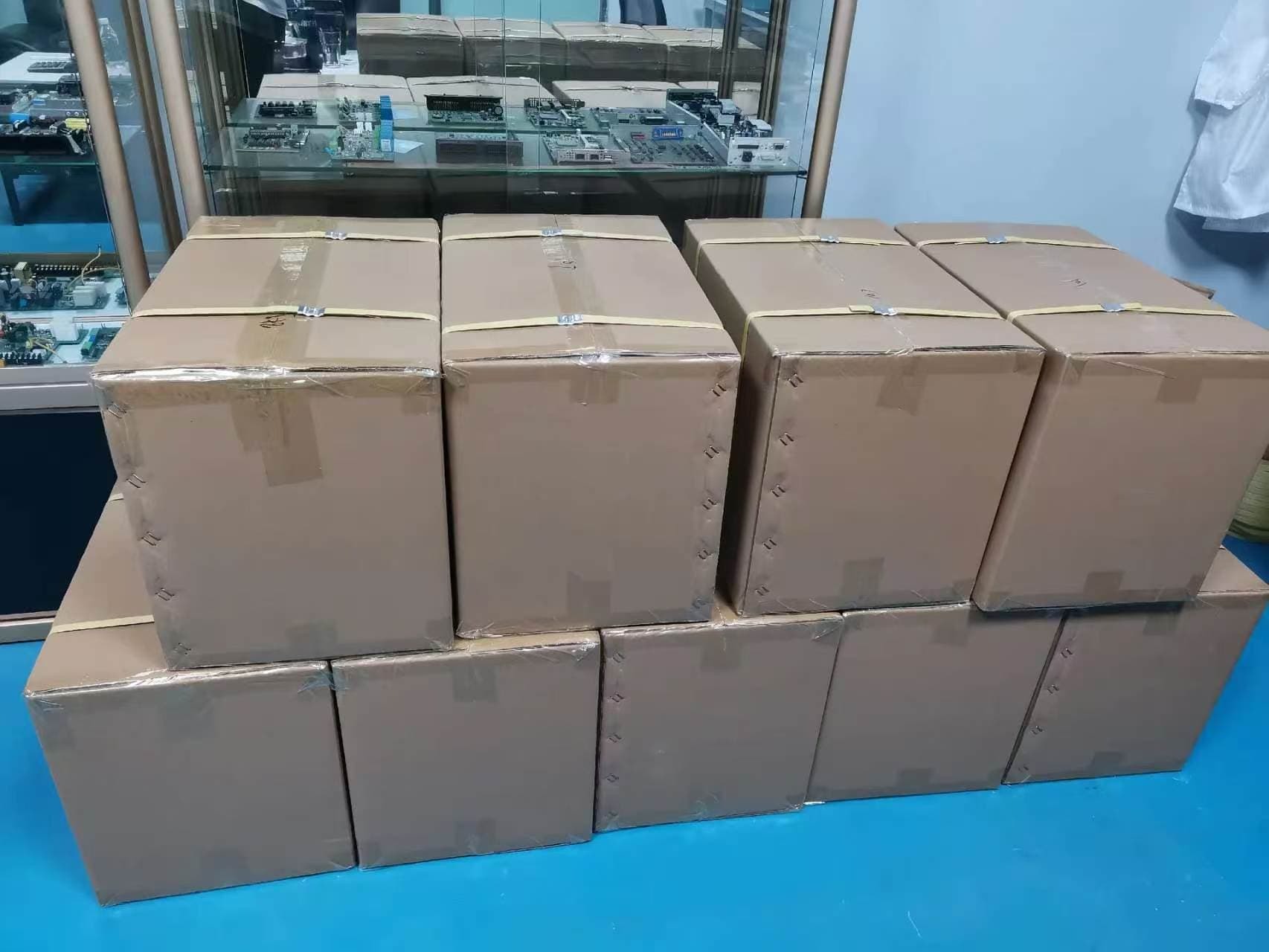
What actually drives PCBA lead time
PCB assembly lead time is rarely one fixed number. It depends on component availability, board complexity, the testing you need, and how complete your files are when the project starts.
The biggest variable is usually component sourcing, not the assembly itself. SMT lines are fast — waiting on a long-lead part is what stretches most schedules.
A typical China PCBA timeline
For a straightforward turnkey project with in-stock parts, a common pattern is: 1–2 days for file and BOM review and quotation, 2–4 days for PCB fabrication, a few days for component procurement (often in parallel), and 1–3 days for SMT assembly and inspection.
Adding testing and packaging, many small to mid-size China PCBA builds land in roughly 1–3 weeks from confirmed order to shipment. Complex boards, long-lead components, or extensive functional testing can extend this. Treat any range as typical, not a guarantee — your exact timeline is confirmed per project.
Why BOM sourcing is the usual bottleneck
If even one component is out of stock or has a long lead time, it can gate the entire build. This is why reviewing the BOM for availability and approved alternatives before the order starts is the most effective way to protect your schedule.
Marking no-substitute parts and pre-approving equivalents lets the sourcing team move quickly when a part is short. See BOM best practices for how to prepare a sourcing-ready BOM.
How to shorten your lead time
Send complete files up front (Gerber, BOM with MPNs, quantity, and test requirements), approve component alternatives early, confirm the testing scope, and agree on a shipping method before production starts.
The fastest path is to let engineers review your project before quoting, so missing details are caught early instead of mid-build. Upload your Gerber and BOM to get a timeline confirmed for your specific project.
Prototype vs batch lead times
Prototypes are usually quicker to assemble but can wait on small-quantity part sourcing. Batch runs add time for yield, inspection, documentation, and packaging.
If you are weighing the two, see prototype PCB assembly vs batch PCB assembly for how review depth, tooling, and testing differ.