PCB Assembly Services for SMT and Through-Hole Production
Huitai PCB provides SMT and through-hole PCB assembly services in Shenzhen for prototype, low-volume and repeat-production projects. Send Gerber, BOM, CPL, assembly drawings and testing requirements so the assembly scope can be reviewed before quotation.
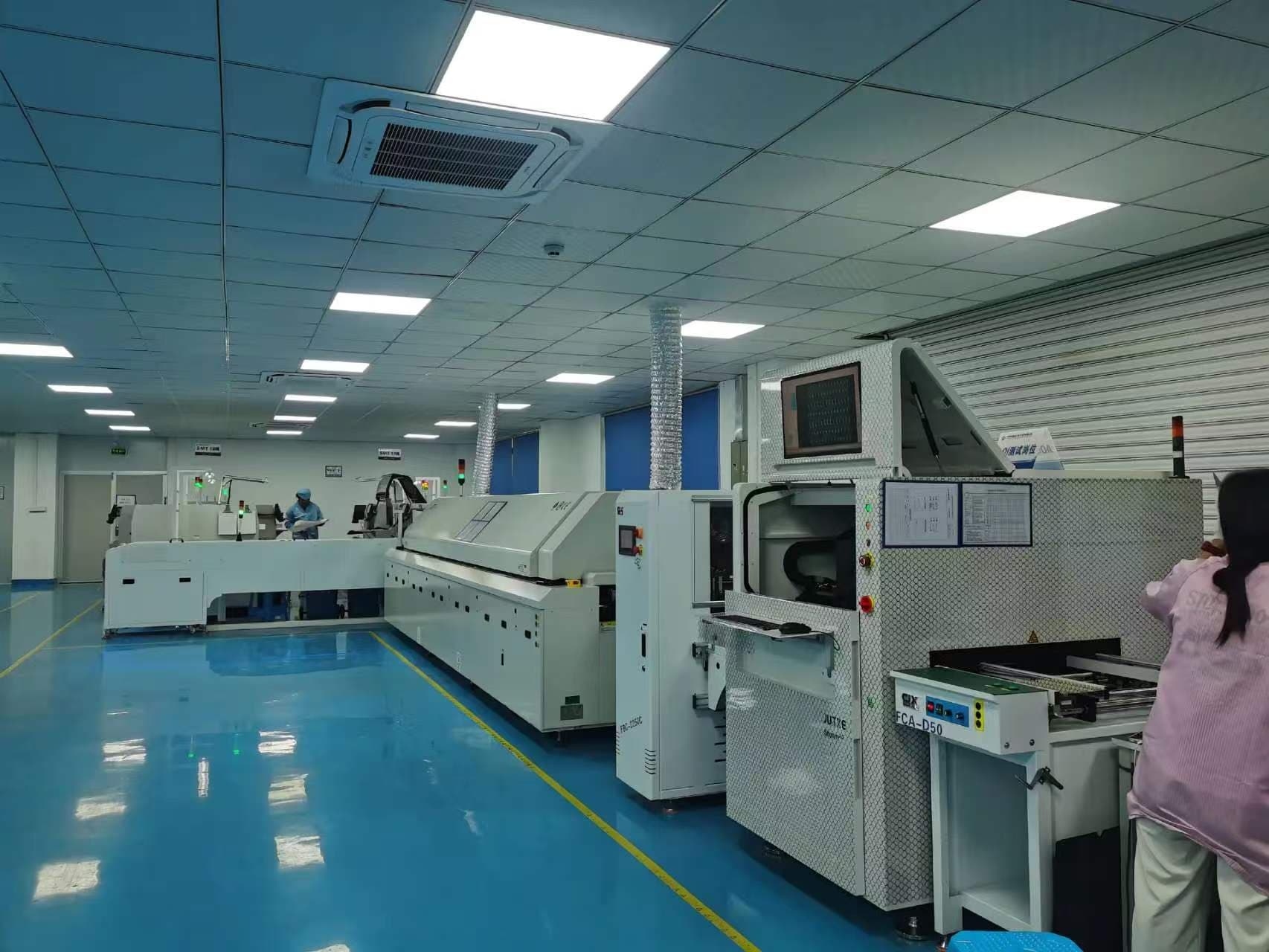
PCB assembly is the manufacturing process of placing and soldering electronic components onto a printed circuit board to create an assembled PCBA. Depending on the design, the process can include SMT placement, reflow soldering, through-hole assembly, manual soldering, inspection and testing.
What Is PCB Assembly?
PCB assembly converts a bare printed circuit board into an assembled PCBA by placing and soldering the specified components. The manufacturing route depends on the component packages, board design, polarity and orientation requirements, through-hole content, workmanship notes and agreed inspection or test scope.
SMT Assembly
Surface-mount components are placed from the confirmed CPL and BOM data, then soldered through the approved reflow process. Package, polarity, feeder setup, stencil, paste and thermal requirements are reviewed against the actual assembly files.
Through-Hole / DIP Assembly
Leaded components, connectors, transformers and other through-hole parts may require manual insertion, selective methods, wave soldering or hand soldering according to the board and workmanship requirements. The assembly drawing should identify orientation and any special handling notes.
Mixed SMT and Through-Hole Assembly
Many industrial boards combine SMT devices with through-hole connectors or power components. The route must coordinate placement, reflow, through-hole insertion, soldering, cleaning and inspection in the correct order instead of treating the two processes as separate builds.
Manual Soldering and Post-Assembly Work
Post-assembly work can include manual soldering, connector or wire attachment, touch-up, cleaning, programming labels or other confirmed operations. These steps should be identified before quotation because they affect workmanship instructions and inspection points.
PCB Assembly Inspection
Inspection scope is matched to the board and confirmed requirements. It can include visual review, AOI after SMT, X-ray review where hidden joints require it, polarity and orientation checks, and electrical or functional testing when instructions and acceptance criteria are available.
What Files Are Needed for PCB Assembly?
Use one controlled file package so placement, sourcing, assembly and test instructions refer to the same revision.
| File / Information | Assembly purpose |
|---|---|
| Gerber and drill files | Confirm the bare-board data used for the assembly project. |
| BOM with manufacturer part numbers | Identify components, packages, quantities and approved sourcing decisions. |
| CPL / pick-and-place data | Provide SMT coordinates, rotation and reference designators. |
| Assembly drawing | Show polarity, orientation, mechanical references and special notes. |
| Quantity | Define the production stage and setup scope. |
| Testing and programming requirements | Define fixtures, firmware, instructions and acceptance criteria when applicable. |
- File / Information
- Gerber and drill files
- Assembly purpose
- Confirm the bare-board data used for the assembly project.
- File / Information
- BOM with manufacturer part numbers
- Assembly purpose
- Identify components, packages, quantities and approved sourcing decisions.
- File / Information
- CPL / pick-and-place data
- Assembly purpose
- Provide SMT coordinates, rotation and reference designators.
- File / Information
- Assembly drawing
- Assembly purpose
- Show polarity, orientation, mechanical references and special notes.
- File / Information
- Quantity
- Assembly purpose
- Define the production stage and setup scope.
- File / Information
- Testing and programming requirements
- Assembly purpose
- Define fixtures, firmware, instructions and acceptance criteria when applicable.
Customer-Supplied Components or Component Sourcing?
Assembly can be reviewed with customer-supplied components, Huitai-coordinated sourcing, or a confirmed combination. Ownership of shortages, excess quantities, moisture-sensitive handling, approved alternatives and incoming component information should be clear before materials are released to production.
PCB Assembly for Different Production Stages
The same assembly processes may support different project stages, but the review emphasis changes with design maturity and quantity.
- Prototype assembly for first builds, bring-up and design verification.
- Low-volume assembly for validated designs moving into repeatable small batches.
- Repeat production with controlled files, component decisions and test instructions.
PCB Assembly Workflow
The assembly route is released only after the available production inputs and open questions have been reviewed.
- 01Review Gerber, BOM, CPL, drawings, quantity and test requirements.
- 02Confirm component ownership, assembly method and approved alternatives.
- 03Prepare SMT placement, reflow and any through-hole or manual operations.
- 04Inspect the assembled boards and perform the agreed testing or programming steps.
- 05Complete final review, packing and handoff under the confirmed project scope.
PCB Assembly vs Turnkey PCB Assembly
PCB assembly mainly refers to mounting and soldering components onto a PCB, while turnkey PCB assembly also coordinates the connected fabrication, sourcing, purchasing and delivery work.
| Scope | Primary responsibility |
|---|---|
| PCB Assembly Services | SMT placement, reflow, through-hole assembly, manual work, inspection and agreed testing. |
| Turnkey PCB Assembly | PCB fabrication, component sourcing and purchasing, assembly, testing, packaging and delivery coordination. |
- Scope
- PCB Assembly Services
- Primary responsibility
- SMT placement, reflow, through-hole assembly, manual work, inspection and agreed testing.
- Scope
- Turnkey PCB Assembly
- Primary responsibility
- PCB fabrication, component sourcing and purchasing, assembly, testing, packaging and delivery coordination.
What We Can Coordinate
Related service paths
FAQ
What is PCB assembly?
PCB assembly is the process of placing and soldering electronic components onto a printed circuit board to create an assembled PCBA. The route can include SMT, reflow, through-hole assembly, manual soldering, inspection and testing.
What files are needed for PCB assembly?
Send Gerber and drill files, a BOM with manufacturer part numbers, CPL or pick-and-place data, an assembly drawing, quantity, and testing or programming requirements when applicable.
Can one board include SMT and through-hole components?
Yes. Mixed-technology boards can combine SMT placement and reflow with through-hole insertion, DIP or manual soldering. The assembly sequence is reviewed from the actual design and workmanship notes.
Can customers supply their own components?
Customer-supplied, Huitai-sourced, or mixed component ownership can be reviewed. The project should define shortages, excess quantities, approved alternatives and incoming component information before assembly.
What inspection can be included?
Inspection may include visual checks, AOI, X-ray where appropriate, polarity and orientation review, and electrical or functional testing based on the confirmed board and project requirements.
How is PCB assembly different from turnkey PCB assembly?
PCB assembly focuses on mounting and soldering components, while turnkey PCB assembly also coordinates PCB fabrication, component sourcing and purchasing, testing, packaging and delivery.
Start Your PCB Assembly Project
Send Gerber, BOM, CPL, assembly drawings, quantity, component ownership and testing or programming requirements. Huitai will review the assembly inputs and confirm the SMT, through-hole, inspection and test scope before quotation.
Send PCB Assembly Files for Review